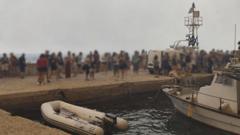
Major Evacuation Underway in Greek Wildfire Emergency
A significant Greek wildfire evacuation has unfolded along the Mediterranean coast as approximately 500 individuals, predominantly international visitors, were transported to safety via maritime routes from the coastal settlement of Agios Vasileios. The emergency response marked a critical moment in the ongoing battle against devastating wildfires spreading across multiple European nations.
The evacuation operation commenced after visitors and residents found themselves in increasingly perilous circumstances as flames advanced toward populated areas. Naval vessels and private boats coordinated a rapid extraction mission, demonstrating the scale of the crisis that emerged during the peak summer season when tourism reaches its highest levels.
Details of the Agios Vasileios Evacuation
The village of Agios Vasileios became a focal point for emergency operations as fire spread through the surrounding landscape with alarming speed. The wildfire rescue operations focused on transporting stranded individuals away from immediate danger through the sea route, which proved to be the most viable escape corridor given the intensity of ground-level flames.
Authorities coordinated with maritime authorities to position vessels strategically along the coastline, ensuring swift and orderly boarding procedures. The evacuation process required significant logistical coordination, as hundreds of individuals required transportation to safer locations on nearby islands and ports.
Timeline of Events
The maritime evacuation commenced as ground conditions deteriorated, with wind patterns accelerating fire propagation toward inhabited zones. Emergency services activated evacuation protocols following assessments of imminent threats to populated areas, prioritizing the removal of vulnerable populations including families with young children and elderly individuals.
Broader European Wildfire Crisis
The Agios Vasileios evacuation represents one of several critical incidents as European wildfires 2024 continue devastating multiple regions across the continent. Countries throughout southern Europe have witnessed escalating fire activity, with changing climate patterns and seasonal weather conditions creating increasingly hazardous conditions for both residents and emergency personnel.
The convergence of high temperatures, low humidity levels, and challenging wind patterns has created an environment conducive to rapid fire spread. Multiple nations have activated mutual aid agreements, deploying firefighting resources and personnel across borders to combat the unprecedented scale of the crisis.
International Response to Tourist Evacuation
The tourist evacuation by sea highlighted coordination between Greek authorities and international partners committed to protecting visitors during emergency situations. Diplomatic channels facilitated communication with nations whose citizens were among those evacuated, ensuring proper documentation and family notifications.
International tourism offices coordinated with accommodation providers and transportation companies to address the needs of displaced visitors. Information centers established temporary facilities at evacuation points to assist foreigners navigating the crisis situation and arranging onward travel to alternative destinations.
Current Status and Ongoing Monitoring
Fire containment efforts continue across affected regions as authorities maintain heightened alert levels throughout the summer months. Meteorological services monitor atmospheric conditions that influence fire behavior, providing regular updates to emergency management officials directing response operations.
The wildfire evacuation protocols implemented in Agios Vasileios have been refined based on real-time conditions and lessons learned during the operation. Authorities remain prepared for additional evacuations should fire behavior change or new threatened communities require emergency protection measures.
Support Services for Evacuees
Temporary accommodation arrangements have been established for evacuated individuals awaiting clearance to return to their homes or continue their travels. Government agencies and humanitarian organizations coordinate shelter provision, meal services, and medical assistance for those affected by the emergency.
Mental health support services have been activated to assist individuals traumatized by evacuation experiences. Counselors and trained personnel are available to address psychological impacts of the crisis and facilitate recovery processes for both residents and affected tourists.
Lessons for Future Emergency Preparedness
The evacuation operation has provided valuable experience for refining disaster response procedures in coastal communities vulnerable to advancing wildfires. Emergency management officials will conduct comprehensive reviews of coordination mechanisms and resource deployment strategies to strengthen future preparedness.
Infrastructure assessments are underway to identify opportunities for improving evacuation routes and establishing additional maritime departure points in vulnerable areas. These evaluations will inform long-term planning initiatives designed to protect populations facing climate-related fire hazards.