Passenger Account of British Airways Mayday Flight Emerges
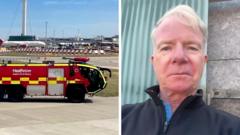
A traveler aboard the British Airways mayday flight that activated an emergency distress signal has provided a firsthand account of the frightening moments experienced during the incident. Edward Killiwick, who was among the passengers on the aircraft, has spoken publicly about the overwhelming fear and panic that gripped those onboard as the crew managed the serious situation. The British Airways mayday flight successfully concluded with a safe landing at London Heathrow Airport, though the experience left a lasting impression on all those aboard.
The Emergency Unfolded Mid-Flight
During the duration of the flight earlier this month, circumstances developed that prompted the flight crew to issue a mayday distress call—a declaration signaling serious trouble requiring immediate assistance. Killiwick described how passengers initially remained unaware of the severity of the situation, though subtle signs began indicating that something was amiss. The atmosphere aboard the aircraft shifted dramatically as the crew implemented emergency procedures, with crew members moving purposefully throughout the cabin to ensure passenger safety and compliance with emergency protocols.
Passenger Describes Fear and Emotional Response
Killiwick's account reveals the intense emotional reaction many travelers experienced as the situation unfolded. Among the most striking aspects of his testimony was the raw human response to the emergency—passengers vocalized their fears, with some expressing desperate pleas for survival. The words "I don't want to die" reportedly echoed through the cabin as anxiety reached its peak. These utterances reflected the genuine terror felt by those who believed their lives were in jeopardy, highlighting how emergency situations strip away social conventions and expose humanity's most primal instincts.
Crew Response and Safety Measures
Throughout the ordeal, the flight crew demonstrated professionalism and adherence to established safety protocols. Once the decision was made to declare the emergency, the team focused entirely on managing the crisis and preparing for the landing. The aircraft was directed toward Heathrow Airport, one of Europe's busiest aviation hubs, where emergency services were alerted and standby procedures were activated. Ground personnel prepared for a potential emergency landing, ensuring that rescue vehicles and medical personnel were positioned and ready to respond if needed.
Safe Landing at Heathrow Airport
Despite the dramatic circumstances and the emotional toll on passengers, the British Airways mayday flight concluded successfully. The aircraft touched down at Heathrow Airport without further incident, and all passengers and crew members disembarked safely. The smooth execution of the emergency landing procedure demonstrated the effectiveness of aviation safety systems and the training that both pilots and crew members undergo regularly. Once the aircraft had secured at the terminal, passengers were escorted from the plane, many visibly shaken but relieved by the outcome.
Broader Implications for Aviation Safety
This incident serves as a reminder of the stringent safety standards that govern commercial aviation, even in situations where serious problems develop. The British Airways mayday flight situation, while undoubtedly traumatic for those involved, ultimately vindicated the robust safety infrastructure built into modern aircraft and airline operations. Mayday calls, though rare, exist precisely for scenarios where aircraft face potential compromise, and the system worked as designed to bring the flight to a safe conclusion.
Passenger Recovery and Support
Following the emergency landing, British Airways reportedly extended support to affected passengers. Airlines typically provide counseling resources, compensation, and assistance to travelers who experience traumatic flight events. Killiwick's willingness to speak publicly about his experience contributes to broader conversations about passenger safety, airline preparedness, and the psychological impact of aviation emergencies on civilians.
Aviation Safety Record
Despite incidents like the British Airways mayday flight, commercial aviation remains among the safest forms of transportation. Modern aircraft undergo rigorous maintenance schedules, pilots receive extensive training in emergency procedures, and regulatory bodies enforce strict safety standards. The successful resolution of this emergency further underscores how these systems work together to protect passengers, even when circumstances become challenging.


