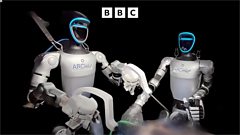
Surgeons Successfully Operate Remote Surgical Robots in Operating Theatre
In a groundbreaking demonstration of modern medical technology, surgeons have successfully directed remote surgical robots within an operating theatre environment. This innovative application of remote surgical robots represents a significant milestone in the evolution of precision medicine and surgical innovation.
How Remote Surgical Robots Transform Modern Surgery
The deployment of remote surgical robots marks a fundamental shift in how surgical procedures can be conducted. These human-like robotic systems enable surgeons to perform complex operations with enhanced precision and control, even when physically distant from the operating theatre. The integration of remote-controlled medical devices into surgical workflows demonstrates the potential for improved patient outcomes and expanded access to specialized surgical expertise.
Technical Capabilities of Human-Like Surgical Robots
The robots utilized in this operating theatre setting showcase advanced engineering and sophisticated control mechanisms. These systems are designed to replicate the dexterity and precision of skilled surgeons, translating commands from remote operators into precise surgical movements. The human-like design of these robots allows for intuitive operation by experienced surgical professionals, reducing the learning curve associated with robotic surgery technology.
Integration with Operating Theatre Infrastructure
Successfully implementing remote surgical robots within an operating theatre requires seamless coordination between multiple technological systems. The robots must integrate with existing surgical equipment, imaging systems, and monitoring devices. This comprehensive approach to surgical innovation ensures that remote-controlled medical devices can operate safely alongside traditional surgical instruments and protocols.
Implications for the Future of Surgical Medicine
The successful demonstration of surgeons operating remote surgical robots carries profound implications for the healthcare industry. This advancement in operating theatre technology opens possibilities for complex surgical procedures to be performed by specialists regardless of geographical constraints. The potential applications extend beyond traditional surgery, suggesting new paradigms for emergency response, specialized surgical expertise distribution, and telemedicine capabilities.
Expanding Access to Surgical Expertise
One of the most significant advantages of remote surgical robots is the democratization of specialized surgical care. Hospitals and medical facilities in underserved regions could potentially access world-class surgical expertise through remote operation capabilities. This expansion of surgical innovation could address healthcare disparities and improve outcomes for patients in areas with limited access to specialized surgeons.
Technical Precision and Safety Considerations
Operating remote surgical robots demands exceptional precision and reliability. The systems must provide real-time feedback to surgeons, maintain zero latency in command transmission, and include redundant safety protocols. Modern remote-controlled medical devices incorporate multiple failsafe mechanisms to ensure that any loss of connection or system malfunction immediately returns the robot to a safe state, protecting patient safety during operating theatre procedures.
Quality Assurance in Operating Theatre Environments
The implementation of remote surgical robots requires rigorous testing and validation protocols. Surgical innovation of this magnitude demands comprehensive assessment of reliability, accuracy, and safety performance. Healthcare institutions deploying these systems must ensure full compliance with medical device regulations and maintain detailed documentation of all operating theatre procedures utilizing remote-controlled technology.
Training and Professional Development
Surgeons utilizing remote surgical robots must undergo specialized training to maximize the potential of this operating theatre technology. Training programs focus on understanding robot capabilities, optimizing ergonomic control interfaces, and developing new surgical techniques that leverage remote operation advantages. This ongoing professional development ensures that surgeons remain at the forefront of surgical innovation.
The Road Ahead for Remote Surgical Technology
The successful operation of remote surgical robots in an operating theatre setting represents just the beginning of a larger transformation in medical technology. As these systems become more sophisticated and widespread, they will likely reshape surgical practice fundamentals. Future iterations of remote-controlled medical devices may incorporate artificial intelligence, predictive analytics, and enhanced haptic feedback, further advancing surgical innovation and patient care quality.


