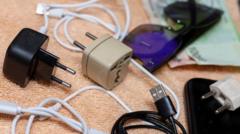
Growing Concern Over Dangerous Electrical Adapters for Summer Travelers
As the summer holiday season approaches, consumer safety advocates are raising critical warnings about the dangers of unsafe electrical adapters. Electrical Safety First, a prominent campaign organization dedicated to preventing electrical accidents, has issued guidance urging British tourists planning international trips to carefully evaluate their adapter choices before making purchases.
What Makes Unsafe Electrical Adapters So Hazardous?
The primary concern surrounding unsafe electrical adapters centers on their potential to cause electrical fires, electric shocks, and device damage. Many low-cost adapters available in retail stores and online marketplaces lack proper safety certifications and may not adequately protect connected devices from voltage fluctuations or electrical surges. These substandard products fail to meet international electrical safety standards, putting both travelers and their belongings at significant risk.
Common Risk Factors in Dangerous Adapters
Several characteristics distinguish problematic adapters from reliable alternatives. Products manufactured without proper safety testing often feature inadequate insulation around electrical contacts, increasing the likelihood of accidental contact with live electrical components. Additionally, many unsafe models use low-quality materials that can deteriorate rapidly when exposed to heat or humidity—conditions commonly encountered in summer travel destinations.
Electrical Safety First's Key Recommendations
The campaign group emphasizes that travelers should prioritize safety over cost when selecting electrical adapters for their journeys. Rather than purchasing the cheapest option available, consumers should seek products that carry recognized safety certifications from reputable testing organizations. These certifications indicate that the adapter has undergone rigorous testing and meets stringent electrical safety requirements.
Where to Purchase Reliable Adapters
Electrical Safety First recommends buying adapters from established electronics retailers and recognized manufacturers with proven track records of quality and safety compliance. Online marketplaces can present challenges, as counterfeit products and items failing to meet safety standards are frequently sold alongside legitimate goods. Travelers should verify product certifications and read customer reviews carefully before purchasing.
Signs of Potentially Dangerous Electrical Adapters
Several warning indicators suggest an adapter may pose safety risks. These include excessive weight compared to similar products, loose-fitting plugs that don't remain secure in outlets, visible damage to the casing or contact points, and absence of certification markings. Additionally, adapters that become excessively hot during use or emit unusual odors require immediate removal from service.
Understanding Electrical Standards Across Destinations
Different countries utilize varying electrical standards regarding voltage, frequency, and plug configurations. Before traveling, tourists should research their destination's specific electrical requirements. Some countries operate on 110-120 volts while others use 220-240 volts. Using incompatible equipment without proper voltage conversion can result in severe damage to electronics or create dangerous fire hazards.
Planning Safe Summer Travel Abroad
Travelers should begin their vacation planning by identifying which countries they intend to visit and investigating the electrical standards used in each location. This advance preparation allows adequate time to source appropriate, certified adapters and converters. Electrical Safety First recommends creating a checklist of all devices requiring charging or powering during the trip, then selecting corresponding adapters for each.
Protecting Your Electronics While Traveling
Beyond selecting appropriate adapters, travelers should implement additional protective measures. Avoid overloading adapters by connecting multiple high-power devices simultaneously. Never leave plugged devices unattended overnight, and unplug adapters when not actively charging devices. These simple practices significantly reduce fire risk and help prevent electrical accidents while abroad.
Long-Term Safety Considerations for Frequent Travelers
For individuals who travel internationally multiple times annually, investing in premium, certified adapters represents excellent value despite higher initial costs. Quality adapters last considerably longer and provide superior protection for valuable electronics compared to budget alternatives. Additionally, maintaining detailed records of which adapters work with specific destinations eliminates confusion during future trips.