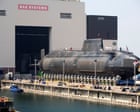
Trident Renewal at Centre of National Defence Strategy
The Prime Minister Andy Burnham has positioned Trident renewal as a pivotal element of Britain's comprehensive defence strategy and industrial regeneration plans. During his visit to Barrow-in-Furness, Burnham will officially inaugurate the subsequent stage of the nation's nuclear submarine modernisation initiative, underscoring the government's commitment to maintaining sovereign defence capabilities while stimulating regional economies.
This strategic announcement reflects a broader governmental approach that integrates national security priorities with community-focused economic development. The Trident renewal programme represents a substantial commitment to maintaining Britain's independent deterrent while simultaneously revitalising manufacturing sectors in key industrial regions.
Investment in Advanced Naval Capability
The £31 billion Dreadnought-class submarine programme, constructed within the Cumbrian manufacturing hub, exemplifies how defence spending on cutting-edge military technology can catalyse broader economic transformation. These next-generation vessels represent the pinnacle of British engineering excellence and maritime superiority, ensuring the nation maintains a credible nuclear deterrent for decades to come.
The Dreadnought-class submarines will replace the existing Vanguard-class vessels, providing enhanced stealth capabilities, improved operational endurance, and advanced weapon systems. Each vessel incorporates state-of-the-art technology developed through collaboration between military strategists, defence contractors, and engineering specialists across multiple sectors.
Economic Regeneration Through Defence Manufacturing
Burnham's emphasis on positioning nuclear submarine replacement projects as vehicles for community reinvestment demonstrates a recognition that defence procurement extends beyond military necessity. The Barrow-in-Furness location, historically synonymous with submarine construction, has experienced transformative economic benefits through sustained investment in advanced manufacturing capabilities.
The government's approach treats defence investment not merely as security expenditure but as a strategic tool for regional economic development. Taxpayer resources directed toward submarine construction support thousands of skilled manufacturing positions, apprenticeships, and supply chain opportunities across multiple industries and geographical locations.
Broader Strategic Implications
This initiative forms part of a comprehensive reimagining of Britain's post-industrial economy, where advanced manufacturing and defence capabilities anchor sustainable growth in regions historically dependent on traditional industries. The nuclear submarine replacement programme illustrates how strategic defence spending can drive technological innovation, skill development, and long-term employment stability.
The government's investment philosophy reflects recognition that maintaining independent defence capabilities requires substantial capital expenditure, and when channelled through domestic suppliers and manufacturers, such spending generates significant multiplier effects throughout regional economies. Communities hosting defence manufacturing operations benefit from secure employment, technological advancement, and infrastructure development.
Barrow-in-Furness: Defence Manufacturing Hub
Barrow-in-Furness has maintained its status as Britain's premier submarine construction facility for over a century. The town's industrial infrastructure, specialised workforce, and established supply chains make it uniquely positioned to deliver the Dreadnought-class programme successfully. Continued investment in this facility strengthens both national security capabilities and local economic prospects.
The submarine construction programme represents a long-term commitment spanning multiple decades, ensuring sustained employment and economic activity throughout the manufacturing cycle. Supply chain requirements extend to numerous component manufacturers, engineering firms, and service providers located throughout the United Kingdom.
Conclusion: Integrated Defence and Economic Strategy
Andy Burnham's positioning of Trident renewal and nuclear submarine replacement as central pillars of economic reindustrialisation reflects sophisticated understanding of how defence procurement can serve multiple strategic objectives simultaneously. By emphasising community investment alongside military capability, the government articulates a vision where defence spending delivers both security dividends and economic prosperity for British communities invested in advanced manufacturing sectors.