Hamas Disarmament Framework: A Complex Path to Gaza Peace
A comprehensive Hamas disarmament plan has emerged as a potential turning point in the long-standing conflict, though a Hamas disarmament agreement faces formidable barriers that threaten to undermine any breakthrough. The political landscape, military realities, and decades of mistrust between parties create an environment where achieving meaningful progress remains extraordinarily difficult, yet this initiative represents one of the first concrete proposals offering genuine hope for regional stability and civilian relief in Gaza.
Political Complexities Undermining Agreement
The path toward implementing a functional Hamas disarmament framework encounters unprecedented political obstacles. Multiple stakeholders with competing interests, divergent strategic objectives, and incompatible conditions make consensus nearly impossible to achieve. International actors, regional powers, and local factions each maintain distinct visions for Gaza's future, complicating negotiations at every stage.
Governmental bodies involved in these discussions must balance competing domestic political pressures while addressing international expectations. The intricate network of diplomatic channels, often marked by historical animosity and failed past negotiations, creates an atmosphere of profound skepticism regarding any potential breakthrough.
Military Realities and Security Challenges
Beyond political considerations, the military dimension of a Hamas disarmament agreement presents substantial verification and implementation challenges. Distinguishing between legitimate security forces and prohibited military structures remains technically complex. The extensive network of underground facilities, dispersed weapons caches, and decentralized command structures throughout Gaza complicates any comprehensive monitoring regime.
Security experts emphasize that effective disarmament requires unprecedented levels of transparency and cooperation. Historical precedents from other conflict zones demonstrate that disarmament processes typically unfold over extended periods, requiring sustained international oversight and significant financial investment in verification mechanisms.
The Humanitarian Cost and Rebuilding Requirements
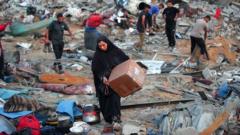
The physical devastation across Gaza presents another formidable obstacle to any disarmament agreement. Thousands of casualties, widespread infrastructure destruction, and a humanitarian crisis of immense proportions have created a population deeply traumatized by conflict. Rebuilding efforts would demand enormous financial resources, coordinated international assistance, and sustained commitment from multiple donor nations.
Any viable Hamas disarmament plan must simultaneously address immediate humanitarian needs while establishing long-term recovery frameworks. This dual challenge requires unprecedented coordination between military, political, and humanitarian actors, demanding resources and political will that have historically proven difficult to sustain.
Trust Deficits and Historical Context
Decades of broken agreements, failed ceasefires, and mutual recriminations have created profound trust deficits that undermine confidence in any disarmament initiative. Previous accords have collapsed under the weight of competing interpretations, alleged violations, and renewed violence. The psychological impact of repeated failed negotiations weighs heavily on all parties involved.
Community leaders and civil society representatives struggle to mobilize support for agreements perceived as inadequate or one-sided. Building genuine trust requires not merely signing documents but fundamentally restructuring relationships and demonstrating concrete commitment to peaceful coexistence through verifiable actions over extended periods.
Rays of Hope Amid Overwhelming Challenges
Despite these substantial obstacles, the emergence of a Hamas disarmament framework offers unprecedented opportunity for meaningful change. International engagement, regional support for peaceful resolution, and civil society pressure create conditions where progress, though difficult, remains theoretically possible.
The acknowledgment that disarmament represents a necessary component of long-term peace demonstrates intellectual evolution among stakeholders. Forward momentum, however incremental, suggests that alternatives to perpetual conflict are being seriously considered at multiple levels of decision-making.
Path Forward and International Involvement
Success requires sustained international commitment, substantial financial investment, and unwavering diplomatic pressure maintaining momentum toward implementation. External actors must remain engaged throughout protracted negotiations and implementation phases, preventing the initiative from stalling during inevitable crises or disagreements.
The international community must coordinate development assistance, security guarantees, and political support in ways that incentivize compliance while protecting legitimate interests of all parties. This coordinated approach represents the most promising avenue for transforming the Hamas disarmament proposal from aspirational framework into functioning reality that genuinely transforms Gaza's future and regional security dynamics.