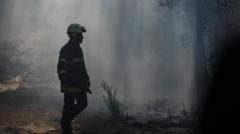
Gironde Wildfires Intensify Amid Climate Crisis
The Gironde wildfires are experiencing a dramatic acceleration as meteorological conditions worsen across southwestern France. Emergency services and firefighting teams are preparing for unprecedented challenges as temperatures are expected to soar to dangerous levels, threatening to escalate the already critical situation in the affected region.
Rising Temperatures Threaten Fire Containment Efforts
Wednesday is expected to bring a significant surge in temperatures that will fundamentally alter firefighting operations across the Gironde area. Experts warn that the escalation of heat will create more volatile fire behavior, making suppression efforts increasingly difficult. The combination of high temperatures, low humidity levels, and challenging terrain presents a perfect storm for wildfire expansion.
Firefighter Preparedness and Strategic Response
Firefighters stationed throughout the region have been placed on high alert as weather forecasts confirm the incoming heat surge. The department's emergency management teams are implementing enhanced protocols to address the anticipated complications. Personnel have been strategically repositioned to maximize rapid response capabilities, and additional resources are being mobilized from neighboring regions to strengthen containment operations.
Extreme Heat Advisory: 40°C Temperature Forecasts
Meteorological agencies have issued warnings about the approaching extreme heat conditions, with peak temperatures expected to reach 40 degrees Celsius. This severe heat wave will create atmospheric conditions that accelerate fire spread rates and intensify flame behavior. The combination of prolonged heat exposure and dry conditions characteristic of this period creates optimal circumstances for rapid wildfire progression across vegetated areas.
Impact on Vulnerable Communities
Residents in proximity to active fire zones have been advised to remain vigilant and prepared for potential evacuation orders. Local authorities are coordinating with emergency services to ensure adequate warning systems and evacuation procedures. The health implications of extreme heat, combined with smoke and air quality concerns, pose significant risks to elderly populations and individuals with respiratory conditions.
Regional Response and Coordination Efforts
French authorities have mobilized comprehensive resources to combat the escalating wildfire situation. Inter-regional cooperation has enabled the deployment of specialized crews, aerial support units, and logistical infrastructure. Communication channels remain active between municipal governments, regional emergency coordinators, and national disaster management agencies to ensure swift information sharing and rapid resource allocation.
Preventative Measures and Public Safety Alerts
Authorities have implemented strict protocols regarding outdoor activities and open flame usage throughout the affected territories. Public information campaigns emphasize the critical importance of reporting suspicious activity and unauthorized fires. Residents are urged to maintain awareness of air quality indices and implement necessary precautions to protect their health during this crisis period.
Long-Term Implications and Climate Considerations
The intensification of the Gironde wildfires reflects broader patterns of increasing fire intensity across Mediterranean regions. Climate scientists attribute such escalation to prolonged warming trends, reduced precipitation, and extended drought conditions. The convergence of these factors creates environmental circumstances that amplify wildfire severity and complicates traditional suppression strategies, necessitating innovative approaches to fire management and prevention in future seasons.