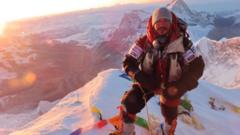
Climber Missing Pakistan: Nirmal Purja and Nine Others Feared Lost
A dire situation unfolded in Pakistan's treacherous mountain terrain as reports emerged of a climber missing after avalanche conditions claimed the lives and safety of a prestigious expedition team. Among those feared lost in this mountaineering disaster is Nirmal Purja, the acclaimed former Royal Marine and celebrated mountaineer known worldwide for his extraordinary climbing achievements and humanitarian efforts across the Himalayas.
The Missing Expedition Members
According to initial reports from rescue authorities and expedition coordinators, ten individuals remain unaccounted for following the catastrophic avalanche incident. The group comprises members from multiple nations, reflecting the international nature of modern mountaineering expeditions in the region.
The missing party includes one American mountaineer, a Chinese national, an Omani climber, and five Nepali mountain guides and porters who were integral to expedition operations. These individuals, drawn from diverse backgrounds and nationalities, had embarked on what was intended to be a successful climbing expedition through Pakistan's demanding alpine landscape.
Nirmal Purja's Background and Significance
Nirmal Purja has earned international recognition as one of the most accomplished mountaineers of contemporary times. The ex-Royal Marine climber distinguished himself through remarkable feats in high-altitude mountaineering, including rapid ascents of multiple 8,000-meter peaks and contributions to climbing safety protocols worldwide. His reputation extends beyond technical climbing achievements to encompass charitable work benefiting mountain communities.
The prospect of climber missing in such circumstances carries significant weight within the global mountaineering community, given Purja's prominent status and influence on modern expedition practices and safety standards.
Rescue and Response Operations
Emergency response teams mobilized immediately following the avalanche incident. Pakistani authorities initiated comprehensive search and rescue operations involving specialized mountain rescue personnel equipped with avalanche detection equipment and climbing expertise. The challenging terrain, unpredictable weather conditions, and high altitude present substantial obstacles to rescue coordination.
International mountaineering organizations and diplomatic channels activated to facilitate coordinated response efforts. Given the international composition of the missing group, multiple nations coordinated with Pakistani authorities to support ongoing rescue operations and provide assistance to expedition members' families.
Avalanche Hazards in Pakistan's Mountain Regions
Pakistan's mountain ranges, particularly areas frequented by international climbing expeditions, present inherent avalanche risks that challenge even the most experienced mountaineers. Environmental factors including seasonal snowfall, temperature fluctuations, and geological conditions create dynamic hazard scenarios. Climber safety remains paramount in these regions where natural disasters occur with relative frequency.
Expedition planning in Pakistan requires meticulous assessment of avalanche risk, appropriate timing of summit attempts, and comprehensive safety protocols. Professional guides and experienced climbing teams implement avalanche awareness strategies, though natural disasters of this magnitude can overwhelm even the most rigorous preparations.
Community Impact and Support
The missing climbers represent significant losses within their respective communities. Nepali porters and guides constitute essential expedition personnel whose families depend on mountaineering income. The American and international members of the expedition carried their own family connections and professional networks affected by this tragedy.
Mountain communities in Pakistan and Nepal understand the inherent risks of high-altitude mountaineering yet remain committed to supporting expeditions and assisting rescue operations. Local expertise proves invaluable during crisis situations requiring rapid response and specialized mountain knowledge.
Looking Forward
The situation remains fluid as rescue authorities continue search operations. Developments in this incident will influence future climbing expedition protocols and safety discussions within the international mountaineering community, particularly regarding avalanche mitigation and high-altitude emergency response procedures.