England Drought Crisis Declared Across Majority of Nation
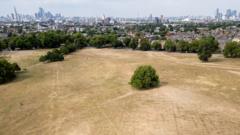
The Environment Agency has issued a formal declaration confirming that more than half of England faces an ongoing drought crisis. This significant water shortage represents one of the most pressing environmental challenges affecting the nation, impacting water supplies, agricultural production, and natural ecosystems across vast territories.
The drought crisis emerged following an exceptionally prolonged period of elevated temperatures and minimal precipitation. This extended dry spell has created unprecedented stress on vital water resources, forcing authorities to implement emergency measures and conservation protocols across affected regions.
Severe Impact on Rivers and Waterways
One of the most visible consequences of the drought crisis involves England's river systems. Many rivers have experienced dramatically reduced water levels, affecting navigation routes, hydroelectric power generation, and aquatic habitats. Fish populations and other aquatic species face critical survival challenges as water bodies shrink to concerning levels.
Reservoirs and freshwater storage facilities, which typically serve as crucial buffers during dry periods, have become increasingly depleted. The cumulative effect of successive dry months has exhausted natural water reserves, leaving communities and industries vulnerable to further supply disruptions.
Agricultural Sector Under Severe Strain
Farmers throughout England's drought-affected areas confront extraordinary challenges. The water shortage has devastated crop irrigation schedules, threatening food production and agricultural livelihoods. Livestock farmers struggle to maintain adequate water supplies for their animals, while crop yields face substantial reductions due to insufficient moisture.
The agricultural impact extends beyond immediate production concerns. Long-term soil quality degradation occurs when drought conditions persist, potentially affecting farming productivity for seasons to come. Rural communities dependent on agricultural income face mounting financial pressure as harvests diminish and operating costs increase.
Natural Environment and Wildlife Disruption
The drought crisis extends its destructive reach into England's natural ecosystems. Wetland habitats, which depend on consistent water levels, are experiencing ecological collapse. Bird populations lose critical breeding and feeding grounds, while amphibians and insects struggle to survive in desiccated landscapes.
Forests and woodlands become increasingly vulnerable to wildfires during extended dry conditions. The combination of low soil moisture, elevated temperatures, and dried vegetation creates dangerous fire conditions that threaten both natural areas and human settlements adjacent to forested regions.
Response and Water Conservation Measures
In response to the widespread drought crisis, authorities have activated emergency protocols. Water companies have implemented restrictions on non-essential water use, including garden irrigation and vehicle washing. Industrial users face allocation reductions to ensure domestic supplies remain sufficient.
The Environment Agency continues monitoring the situation closely, providing regular updates on water availability and supply forecasts. Public awareness campaigns emphasize individual responsibility in managing the drought crisis through conscious water consumption habits.
Looking Ahead: Recovery and Resilience
The path forward requires both immediate emergency response and long-term water management planning. Precipitation forecasts remain uncertain, leaving the timeline for drought relief unclear. Communities across England's affected regions prepare for potentially extended water constraints.
This drought crisis underscores the vulnerability of England's water infrastructure to climate patterns and extreme weather events. Future investments in water storage, distribution efficiency, and alternative supply sources will likely become essential components of national water security strategy.