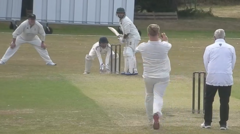
The Finger-Clicking Scandal Dividing the Cricket Community
A finger-clicking scandal cricket controversy has recently swept through the sporting world, drawing intense scrutiny and debate among players, officials, and fans alike. At the center of this contentious issue sits the Saltburn Cricket Club, where an unusual incident has sparked widespread discussion about fair play, sportsmanship, and communication during matches. The finger-clicking scandal has become more than just a local concern; it has evolved into a significant talking point across cricket networks globally, raising questions about what constitutes acceptable behavior on the field.
Understanding the Saltburn Cricket Club Incident
The Saltburn Cricket Club finds itself at the heart of a controversy that has challenged conventional thinking about cricket etiquette and player conduct. The incident involves allegations of deliberate finger-clicking during play, a practice that has raised eyebrows among cricket authorities and traditionalists who believe such actions undermine the spirit of the game. What began as a local matter has transformed into a broader conversation about communication tactics and psychological tactics in professional cricket. Officials from various cricket organizations have begun examining the implications of this finger-clicking scandal, recognizing that clear guidelines may be necessary to address similar situations in the future.
The Wicketkeeper's Central Role in Investigation
The wicketkeeper involved in the Saltburn Cricket Club incident has become the pivotal figure whose testimony and cooperation will likely determine the direction and outcome of any formal investigation. As the player positioned closest to where the finger-clicking occurred, the wicketkeeper possesses crucial firsthand knowledge of the circumstances surrounding the scandal. Their account will be essential in establishing whether the behavior was intentional, accidental, or part of a coordinated strategy. Cricket authorities recognize that without the wicketkeeper's detailed recollection and credible statement, understanding the true nature of this finger-clicking scandal becomes significantly more challenging.
Why the Wicketkeeper's Perspective Matters
In cricket, the wicketkeeper occupies a unique vantage point, standing directly behind the batter and maintaining constant visual contact with the bowler, fielders, and batter. This positioning makes them an ideal witness to incidents occurring during play. The wicketkeeper's training and experience in observing player behavior means their observations carry substantial weight in investigations. In the context of the finger-clicking scandal, the wicketkeeper can provide detailed information about timing, frequency, and potential intent behind the disputed actions, making their cooperation invaluable to any inquiry.
Implications for Cricket's Future Standards
The Saltburn Cricket Club controversy surrounding finger-clicking raises important questions about standardizing behavioral expectations across all levels of competitive cricket. Different cricket associations may have varying interpretations of what constitutes unsportsmanlike conduct, creating potential inconsistencies in how similar incidents are handled. The finger-clicking scandal may ultimately prompt cricket's governing bodies to establish clearer, more comprehensive codes of conduct that address communication methods and player interactions during matches. Such standardization could help prevent future controversies and ensure that all participants understand exactly what behaviors are permissible.
Setting Precedent in the Sporting World
How cricket authorities address this finger-clicking scandal could establish important precedent for handling similar disputes in the future. If the investigation concludes that the behavior violated regulations, it may lead to increased monitoring and stricter enforcement of communication rules. Conversely, if the inquiry determines that no violations occurred, it might clarify that such actions are acceptable within cricket's current framework. Either outcome will influence how clubs, players, and officials approach similar situations going forward.
Broader Implications for Cricket Culture
The finger-clicking scandal cricket controversy extends beyond a single incident at Saltburn Cricket Club; it touches upon fundamental questions about how the sport wants to define its cultural identity and values. Cricket has long prided itself on being a gentleman's game with strong emphasis on fair play and mutual respect. This scandal tests those principles and challenges the cricket community to examine whether existing rules adequately address modern playing tactics and player interactions. The resolution of this controversy will likely influence how cricket evolves as a sport and how seriously governing bodies take matters of player conduct.
Looking Forward: Resolution and Reform
As investigations continue into the finger-clicking scandal, the cricket community watches closely to see how authorities will handle this unprecedented situation. The Saltburn Cricket Club case demonstrates that even traditional sports must continually adapt to address new challenges and controversies. Whether this particular incident results in rule changes, increased monitoring, or simply serves as a cautionary tale remains to be seen. What is certain is that the finger-clicking scandal has already left its mark on cricket, sparking conversations that will likely influence the sport's approach to player conduct and fair play standards for years to come.
The Road Ahead
Moving forward, the wicketkeeper's testimony will remain crucial to understanding the full circumstances of this incident. Cricket authorities must balance the need for thorough investigation with the importance of protecting player dignity and ensuring fair process. The finger-clicking scandal ultimately serves as a reminder that even in sports with centuries of tradition, new situations can arise that challenge existing frameworks and require thoughtful, measured responses from governing bodies and the broader sporting community.


